How Underground Rooms Open
Rainwater picks up carbon dioxide from the air and, especially, from soil, becoming a weak carbonic acid. Seeping into limestone along joints and bedding planes, it dissolves calcium carbonate a little at a time. Over hundreds of thousands of years those cracks widen into passages. Landscapes shaped this way — with sinkholes, disappearing streams and caves — are called karst.
Mammoth Cave in Kentucky, the longest known cave system, has more than 400 miles of mapped passages formed largely this way, guided by layers of limestone beneath a protective sandstone cap.
A second route works from below. At Lechuguilla Cave and Carlsbad Caverns in New Mexico, hydrogen sulfide rising from oil and gas deposits met oxygen-bearing groundwater and formed sulfuric acid, which ate out vast chambers and left thick gypsum deposits behind. This sulfuric-acid speleogenesis is now well established, and it explains why those caves look so different from typical rainwater caves.
Definition: karst
A landscape shaped mainly by the dissolving of soluble rock such as limestone, dolomite or gypsum.
Definition: speleogenesis
Simply "cave origin" — the processes by which a cave forms.
Speleothems: Stone Built Drop by Drop
Once a cave is air-filled, the chemistry can reverse. Water dripping from the ceiling carries dissolved calcium carbonate and extra carbon dioxide. Cave air holds less carbon dioxide than the soil above, so the gas escapes from each drop — and calcite crystallises out. A hollow "soda straw" forms first; if its tip clogs, water runs down the outside and it thickens into a stalactite. Drips landing on the floor build stalagmites; water flowing in sheets lays down flowstone.
Growth rates vary hugely with drip rate and chemistry, from barely measurable to around a millimetre a year. Because speleothems grow in layers that can be dated with uranium–thorium methods, they have become valuable records of past rainfall and temperature.
The Giant Crystals of Naica
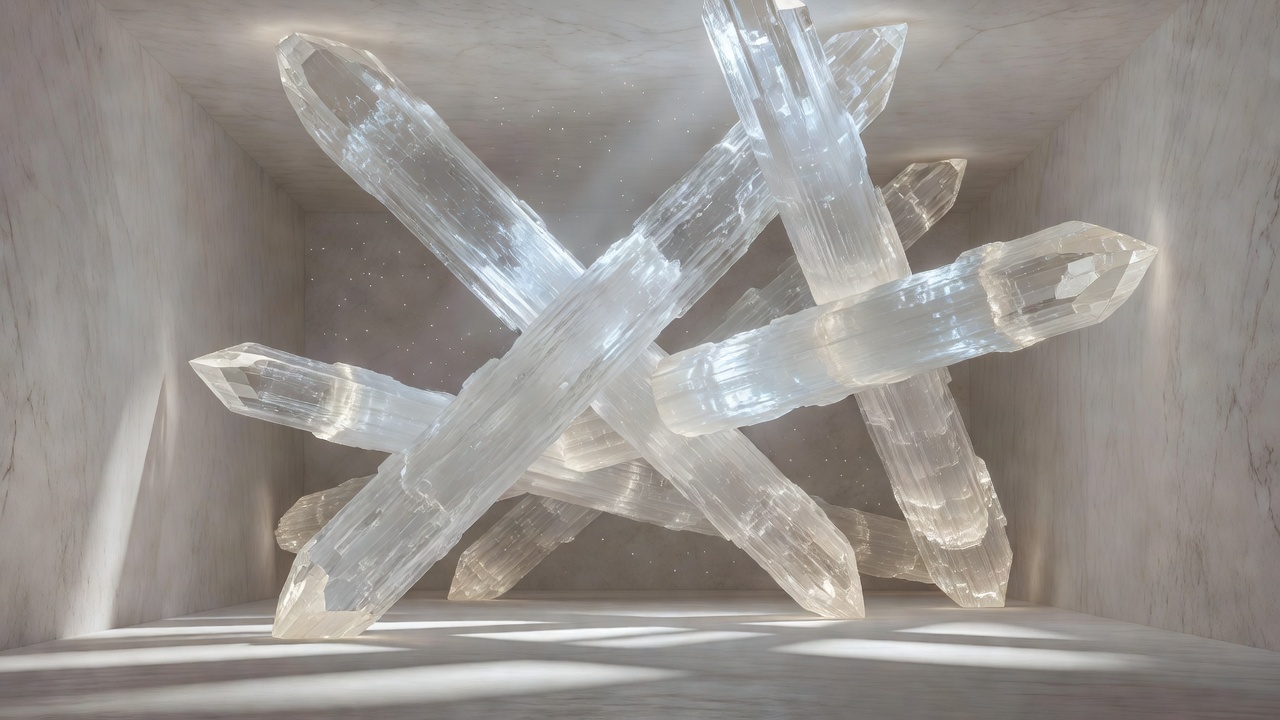
In 2000, miners at Naica in Chihuahua, Mexico, broke into a chamber about 290 metres underground filled with translucent gypsum beams — some around 11 metres long. The Cueva de los Cristales was hot, near 50 °C, and extremely humid; unprotected visitors could stay only minutes.
Research led by crystallographer Juan Manuel García-Ruiz offered a convincing explanation. The cave was flooded with mineral-rich water for a very long time at a temperature just below about 58 °C. At that point, the mineral anhydrite slowly dissolves while gypsum becomes very slightly favoured to grow. Such a tiny imbalance means few new crystals start, and those that exist grow very slowly but steadily — for perhaps hundreds of thousands of years. Mining pumps lowered the water table; after pumping stopped, the lower levels flooded again.
A smaller, accessible example is the Pulpí Geode in Almería, Spain, found in 1999: a cavity about 8 metres long lined with clear gypsum crystals, opened to visitors in 2019.
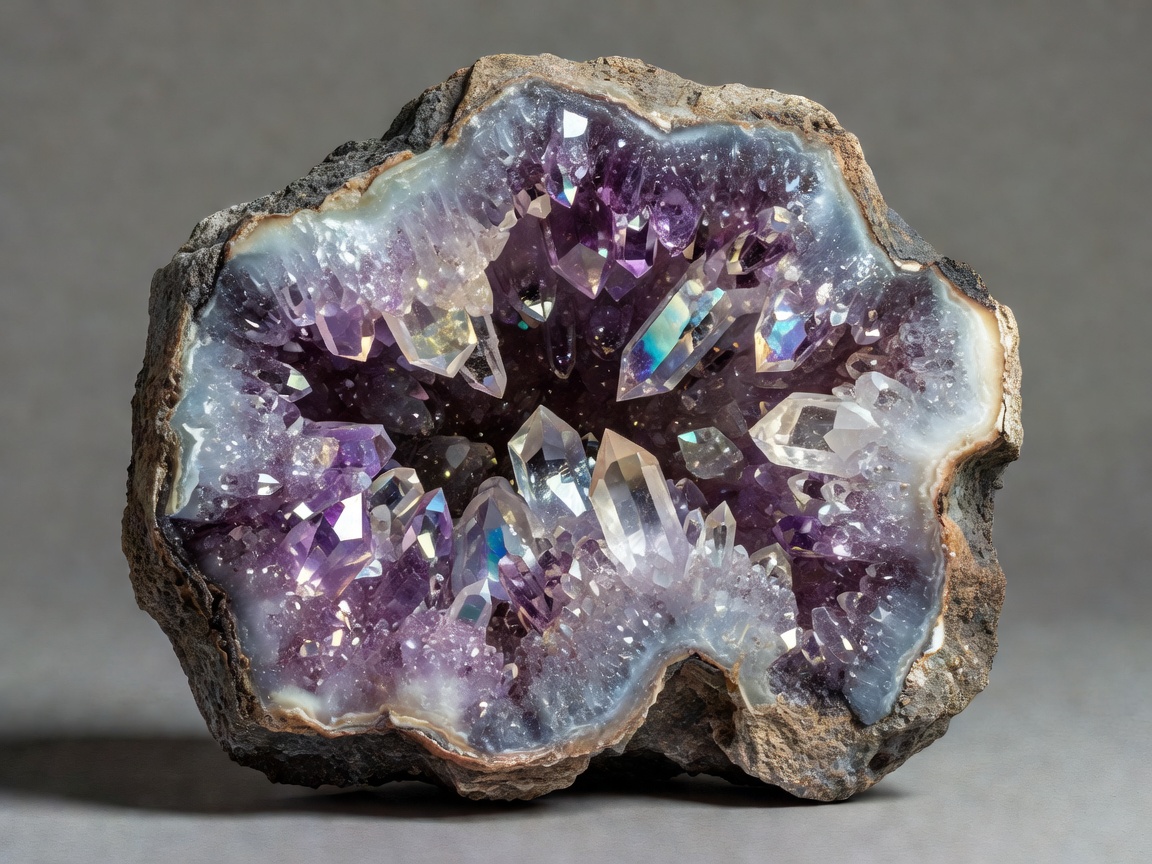 Explanatory model
Geode interior
Crystals grow inward from cavity walls as mineral-laden water passes through.
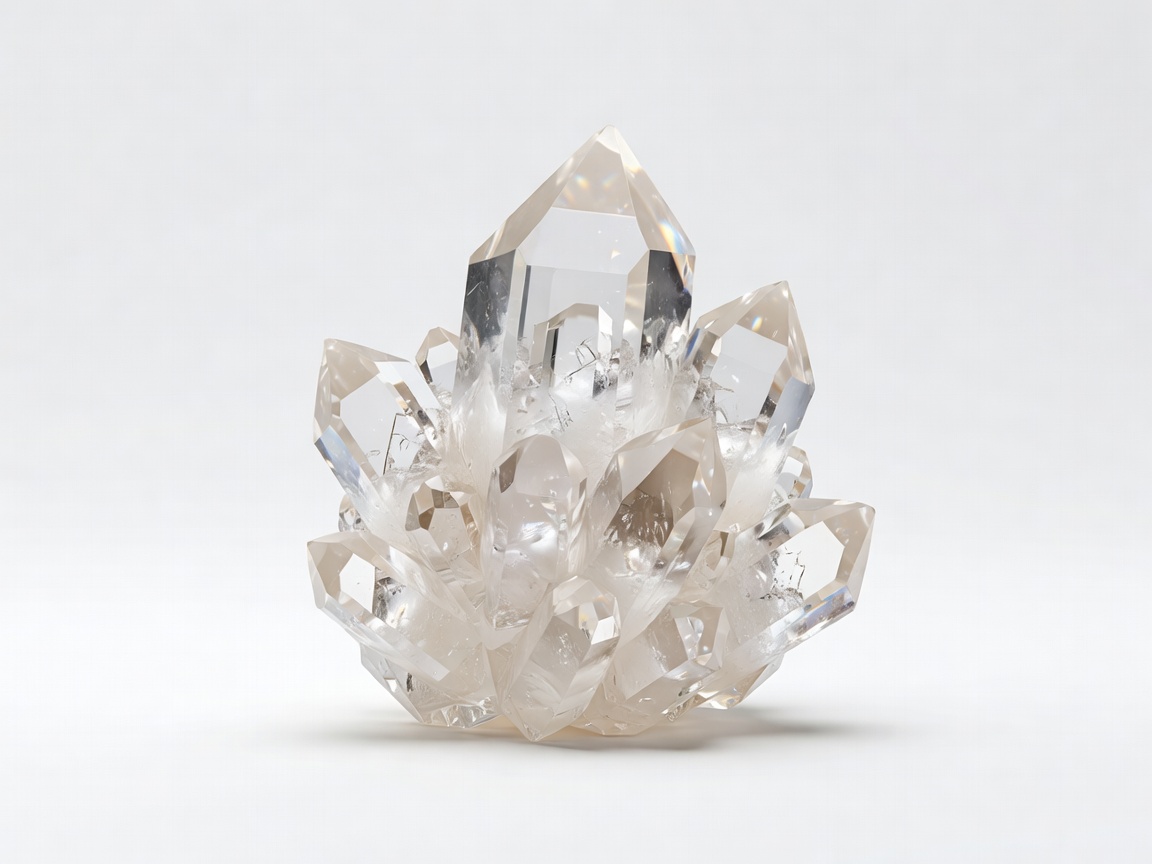 Mineral
Quartz clusters
Common in geodes and veins, quartz grows from silica-rich fluids in many settings.
What Is Still Being Worked Out
Cave science is full of open questions, and it helps to see them laid out honestly.
Carbonic-acid dissolution forms most limestone caves; sulfuric acid formed Lechuguilla and Carlsbad; degassing drives calcite speleothem growth.
Exact ages of the Naica crystals rely on growth-rate estimates and remain approximate.
Microbes living in caves may influence some mineral deposits; how much is still debated.